We Still Do Always Will: A Versatile Graphic for Crafts and Creative Projects
As a professional graphic designer with years of experience in branding, packaging, and digital design, I always approach new design assets with a critical eye. The goal is to determine if they can enhance a client’s project without compromising visual clarity or brand integrity. Recently, I reviewed the graphic design asset titled We Still Do Always Will, and here's my honest take on its potential and limitations in real-world applications.
A First Impression Rooted in Sentiment and Style
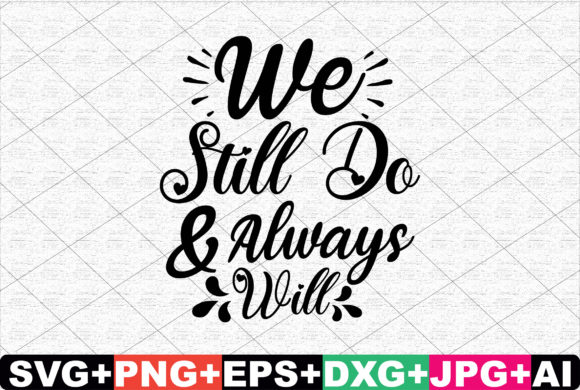
The phrase “We Still Do Always Will” immediately evokes a sense of nostalgia, loyalty, and enduring commitment. The visual elements that accompany it—likely stylized lettering or an illustration—carry a soft, handcrafted aesthetic that aligns well with modern design trends leaning toward warmth and authenticity. This makes it particularly appealing for handmade businesses, boutique product lines, and small brands aiming to convey heart and heritage.
The design feels intentional, with a balance between typographic interest and minimalism. It doesn’t scream for attention but instead invites viewers to pause and connect emotionally. As such, it could serve as a strong anchor point in a creative design bundle or as a standalone SVG design for use in Cricut projects, stickers, or even web banners.
Who Is This Asset For?
- Brand owners looking to infuse sentiment into their identity
- Content creators who need engaging social media graphics
- Crafters using tools like Silhouette or Cricut Explore
- Print-on-demand sellers seeking unique t-shirt or mug designs
- Bloggers and publishers wanting to add personality to editorial content
- Digital sellers curating themed collections or seasonal campaigns
Real-World Applications: Where It Shines
This asset has a clear strength in large layout areas where emotional resonance and visual texture are key. When used as a hero graphic in a product mockup or as part of a poster or flyer, it adds depth and character without overwhelming the viewer. Its hand-drawn feel works especially well for product labels, packaging design, and invitations, where a personal touch can elevate the overall impression.
In social media graphics, such as Pinterest pins or Instagram posts, We Still Do Always Will brings a sense of sincerity and charm. For Canva templates or printable wall art, it offers flexibility while maintaining a cohesive look across different formats. If you're working on a themed collection—say, a Valentine’s Day line for an Etsy shop or a local event campaign—it can help tie the visual language together.
I also tested this design in brand identity work. Used alongside a clean logo, it added a layer of storytelling and helped build visual trust with the audience. In editorial design, it worked beautifully as a decorative accent in blog headers or magazine spreads, reinforcing the message without distracting from the content.
Design Performance Across Platforms
- SVG Design: The vector file is editable and scales cleanly, making it ideal for sticker design, t-shirt design, and sublimation design.
- PNG Design: Assuming there’s a PNG included (even though not explicitly mentioned), transparency should be inspected carefully to ensure it integrates seamlessly over different background colors or textures.
- DXF File: Useful for Silhouette users, it maintains precision when cutting materials like vinyl or cardstock.
- Commercial License: Before recommending it for any client or business project, it’s essential to confirm the commercial licensing terms. Many designers overlook this, only to run into issues later.
Use With Caution: Limitations and Considerations
While We Still Do Always Will has a lot going for it, it’s not a one-size-fits-all solution. Here are some scenarios where it might fall short:
- Small Sizes: The intricate details may become lost at lower resolutions, so previewing it in thumbnail form is crucial before using it in buttons, icons, or other compact visuals.
- Crowded Layouts: Because of its expressive style, it might get lost or clash in complex compositions with too many competing elements.
- Low-Contrast Designs: The subtlety of the design requires careful placement against backgrounds to maintain visibility and legibility.
- Professional Corporate Materials: While it can work in more casual environments, it lacks the formal tone needed for boardroom presentations or high-end reports.
- Minimalist Branding: If your client prefers a sleek, no-nonsense look, this asset may not fit the desired visual hierarchy unless balanced with simpler elements.
One practical tip I always give to clients is to test the asset in both black and white and color variations. This helps identify how it holds up under different printing conditions or screen settings. Additionally, placing it on real-life mockups—like a tote bag or coffee mug—can reveal how it interacts with texture and lighting.
Comparative Typographic Analysis
When evaluating how this asset would perform in a broader design context, I compared it with various font styles:
- Serif Fonts: Offer elegance and tradition; pair well if the project leans toward vintage or literary themes.
- Sans Serif Fonts: Provide modernity and readability; better suited for digital interfaces or corporate settings.
- Script Fonts: Share similar emotional appeal but often lack the structural clarity found in We Still Do Always Will.
- Handwritten Fonts: Can feel too informal or inconsistent in comparison, depending on the execution.
- Display Fonts: May overshadow the design if used together; best applied separately in different parts of the layout.
We Still Do Always Will stands out because it bridges the gap between handwritten warmth and structured typography. It feels like a display font but carries the softness of a script, which gives it a unique position in the world of design assets.
Emotional Appeal and Audience Engagement
What truly sets this asset apart is its ability to create emotional appeal. The words themselves carry meaning, and the visual treatment enhances that narrative. In marketing visuals, this kind of storytelling is invaluable. Whether it's used in a holiday ad or a promotional poster for a family-run craft store, it helps establish a connection with the viewer.
However, this emotional pull must be balanced with professionalism. Too much sentimentality can make a design appear unpolished or overly sentimental. That said, in the right context—such as a handmade jewelry brand launching a new line—this asset can be a game-changer. It supports the brand voice and improves audience engagement by speaking directly to the values of the target market.
Key Takeaways for Designers and Small Business Owners
- It enhances brand consistency when used across multiple platforms like packaging design and social media graphics.
- Its visual hierarchy is best appreciated in layouts that allow it to breathe.
- Test print quality to ensure the fine details remain intact after production.
- Preview it at both large and small sizes to assess scalability.
- Consider its role in a creative marketplace setting—does it stand out among competitors?
Final Thoughts: A Thoughtful Addition to Your Design Toolkit
Overall, We Still Do Always Will is a compelling graphic design asset that brings warmth and intentionality to creative projects. It’s not just another clipart or illustration—it tells a story through its style and substance. For crafts and graphics alike, it provides a meaningful way to communicate loyalty and passion, two qualities that resonate deeply in today’s small business branding landscape.
That said, like all design assets, it needs to be handled with care. Understand its strengths in large-scale visuals and thematic contexts, and recognize where it might need simplification or repositioning. Always verify commercial license permissions and ensure it complements—not competes with—the rest of the visual system.
If you’re working on a seasonal campaign, local event, or Etsy product, this design could be the perfect ingredient to make your visuals feel more personal and polished. Just remember: great design is about knowing when and how to use the right asset, not just having it available.