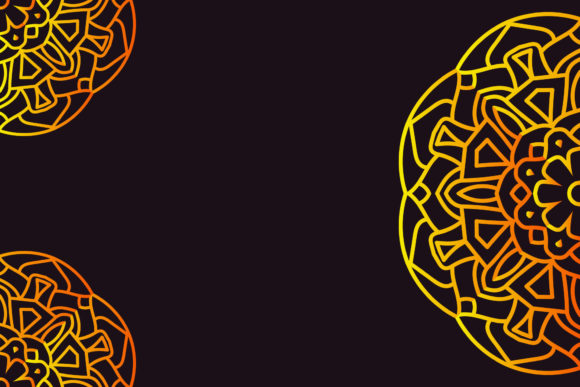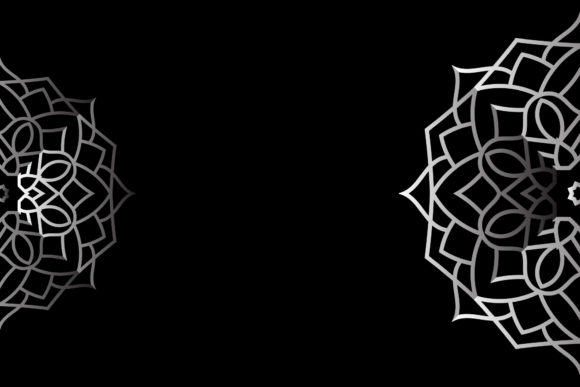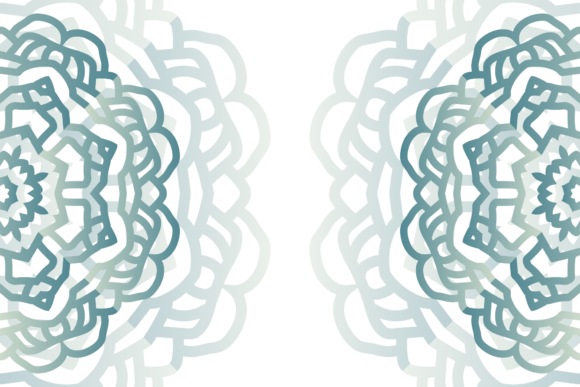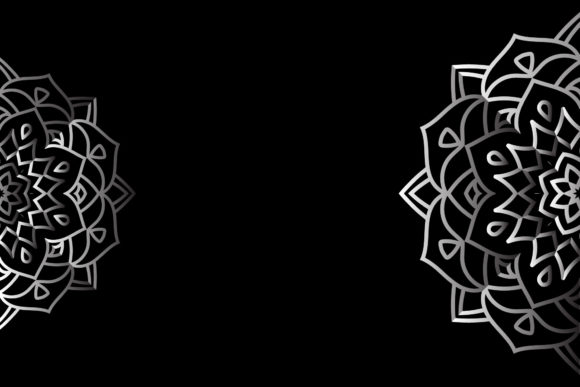
Geometric Mandala Background Art Review for Embroidery Projects
As an embroidery designer with years of hands-on experience, I’m always on the lookout for versatile and visually compelling design assets that can elevate a project from basic to beautiful. Geometric Mandala Background Art is one such digital embroidery file that caught my attention recently. Let’s take a closer look at how it performs in real-life scenarios, what makes it unique, and where it might need some extra care.
First Impressions: A Modern and Versatile Vibe
The moment I opened the Geometric Mandala Background Art vector file, I was struck by its intricate balance of structure and flow. The repeating patterns, sharp angles, and symmetrical layout give it a contemporary edge while maintaining the organic feel typically associated with mandalas. It’s not just decorative — it feels intentional, like it was crafted with multiple applications in mind.
This design has a subtle yet bold presence. It doesn’t overwhelm but adds depth and visual interest to any surface. The detail level is impressive without being overdone, which is a big plus when you’re considering using it as a background element. Whether paired with text or other motifs, it holds its own without distracting the main focus.
Real-Life Application: Tote Bag Design Test
To evaluate this design in practice, I tested it on a custom embroidered tote bag for a boutique client. The stitch density was moderate, allowing for a smooth finish even after several washes. The geometric lines held up well under satin stitch, giving the bag a clean, modern aesthetic that appealed to both the owner and potential customers.
One thing I noticed was how the design adapts to different scales. When resized slightly for a smaller tote, the overall composition remained intact, and the key elements stayed visible. This flexibility is essential for craft business owners who want to use the same design across various product sizes and types.
Where It Shines
- Sweatshirt Embroidery: The mandala works beautifully as a chest background. Its symmetry gives a balanced feel, especially when layered with a logo or name.
- Baby Embroidery: Soft pastel thread colors blended seamlessly with the geometric shapes, making it ideal for personalized baby items like onesies or bibs.
- Holiday Gifts: For Christmas ornaments or gift tags, the mandala added a touch of elegance and mindfulness — perfect for themed products.
- Etsy Listings: As part of a printable mockup package, the design helped create cohesive digital previews for custom apparel and accessories.
Design Notes for Real-World Use
While Geometric Mandala Background Art is undeniably appealing, there are some practical considerations before stitching it onto your next project:
- Test on scrap fabric first. Especially if you're planning to use it for commercial embroidery, seeing how it behaves on your typical materials is crucial.
- Check thread color contrast. If you're using dark fabrics, consider light-colored threads to ensure visibility. Conversely, on lighter fabrics, darker threads can make the design pop.
- Review stitch density. Dense areas may require additional stabilizer to prevent puckering, particularly on stretchy or thin materials.
- Confirm hoop size requirements. Since the design is fairly large, you’ll need a hoop that accommodates its full scale without distortion.
- Inspect small details. Though the overall pattern is strong, some fine lines may lose clarity if stitched too small or on textured surfaces.
- Use black and white mockups. Before finalizing thread choices, test how the design looks in grayscale to avoid unintended color clashes.
- Compare light and dark fabric backgrounds. The mandala’s effect can vary dramatically depending on the base fabric — don’t assume it will look the same everywhere.
- Use proper stabilizer. A tear-away or cut-away stabilizer can help maintain the integrity of the design, especially on delicate or stretchy textiles.
- Check licensing terms. If you plan to sell finished products or digital files, confirm whether the design allows for commercial use and resale rights.
Visual Appeal vs. Stitching Clarity
Visually, Geometric Mandala Background Art brings a sense of sophistication and artistry to any handmade product. But when it comes to embroidery, aesthetics must be balanced with functionality. The design uses a mix of fill stitch and running stitch techniques effectively, but the more complex sections could lead to issues if not stabilized properly.
I found that using a medium-weight cotton fabric worked best for showcasing the design's details. On flannel or thicker knits, the texture sometimes made the finer lines less defined. Always consider your machine embroidery design’s interaction with the chosen material — it can significantly affect the final look.
Cautious Use Cases
Though versatile, there are certain situations where this design requires careful handling:
- Small Hoop Sizes: Resizing the mandala for a patch or cap may cause loss of detail or an unbalanced appearance.
- Textured Fabrics: Canvas or denim can distort the clean lines, so adjust stitch settings accordingly.
- Thin or Stretchy Fabrics: These materials may show through or stretch during stitching, affecting the mandala’s precision.
- Dense Stitch Areas: Some parts of the design have high stitch counts. Without proper stabilizer, these can become misshapen or pucker.
- Curved Surfaces: On curved items like caps or pillows, the design needs to be segmented carefully to maintain its form.
If you're planning to use this design on items that get frequent washing — think tea towels or aprons — keep an eye on the thread tension and durability of the stitches. While the mandala is resilient, overly tight fill stitches can lead to fraying or loosening over time.
Customer Reaction and Brand Value
In the case of the tote bag project, customer feedback was overwhelmingly positive. The mandala gave the item a sense of calm and creativity, aligning well with the brand’s identity. People appreciated the uniqueness and were drawn to the thoughtful layering of the pattern beneath a minimalist logo.
Using Geometric Mandala Background Art in personalized gifts also added value. Clients felt their orders were more special because of the design’s artistic quality. For Etsy sellers and small shop product creators, this kind of visual enhancement can mean the difference between a quick scroll and a purchase.
Professional Presentation and Recognition
When used correctly, this design helps build brand consistency. It’s not too flashy, but it does offer enough character to make your handmade product stand out. Customers tend to trust brands that present their items professionally, and this mandala contributes to that polished look.
It also enhances giftability. The mandala’s calming and spiritual undertones resonate well with those looking for meaningful holiday or wedding gifts. Pair it with names, dates, or short phrases to turn it into a memorable embroidered patch or wall hanging.
Final Thoughts for Embroidery Designers and Makers
Geometric Mandala Background Art is a solid addition to your design assets library. It offers a blend of modernity and tradition, making it suitable for a wide range of embroidery projects. From custom apparel to nursery decor, it adds a professional and creative flair that customers notice.
However, don’t overlook the technical side. Always test it on your usual materials and check the recommended hoop size and machine compatibility (if provided). And if you're selling finished goods or digital embroidery files, double-check the licensing agreement to stay compliant.
Overall, this design proves that backgrounds aren’t just filler — they can enhance the storytelling of your handmade product and support your creative vision. Just remember to treat it like any other embroidery file: with care, understanding, and a bit of experimentation.