Daddy’s Little Spook Embroidery Design Review
As a seasoned embroidery designer and product reviewer, I often find myself assessing digital embroidery files for their real-world usability before integrating them into custom projects. Daddy’s Little Spook is one such design that caught my eye—not just because of its whimsical name, but because it carries the kind of visual charm that could easily translate into a variety of handmade products and small business merchandise. Let me walk you through how this machine embroidery design stacks up when put to the test.
First Impressions: A Playful Yet Sophisticated Look
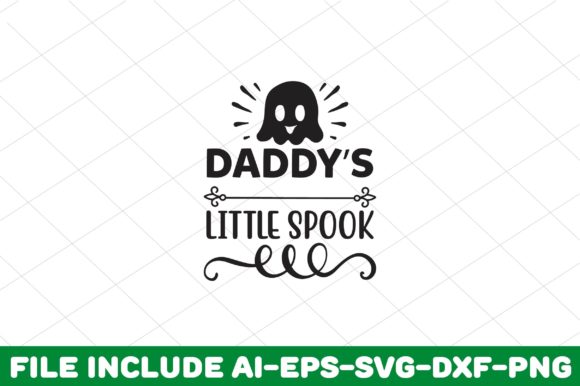
The first thing that stands out about Daddy’s Little Spook is its personality. It’s not just a Halloween-themed character—it’s got a warm, family-centric vibe with a touch of spookiness that feels more cozy than creepy. The shape is balanced and stylized, making it instantly recognizable as a fun, father-child duo in ghostly form. The level of detail is moderate, with smooth outlines and soft shading that suggest it’s well-suited for satin stitch and fill stitch applications.
This design doesn’t scream “spooky” like traditional jack-o-lanterns or haunted house motifs. Instead, it evokes nostalgia and playfulness, which makes it versatile enough for both seasonal and year-round use. As an embroidery file, it has a natural home on tote bags, sweatshirts, and even baby clothes—especially if the target audience is looking for something sweet with a hint of humor.
Real-Life Application Scenarios
Let’s imagine using Daddy’s Little Spook on a few common embroidery projects:
- Tote Bag Design: This design would work beautifully as a central motif on a canvas tote bag. Its clean lines and gentle curves make it easy to read at a distance, and the playful theme adds instant appeal for holiday gifts or themed events.
- Sweatshirt Embroidery: On a medium-weight sweatshirt, the design maintains its clarity without overwhelming the garment. The soft pastel colors (if used) can give it a subtle, premium look that appeals to parents and kids alike.
- Baby Embroidery: While the design isn’t overtly baby-related, its cartoonish style and lack of sharp or aggressive imagery make it safe and charming for onesies, bibs, or nursery decor. Just ensure thread color contrast is clear and avoid overly dark fabric backgrounds.
- Embroidered Patch: The structure of Daddy’s Little Spook suggests it could be adapted into a standalone applique design. With the right stabilizer and hoop size, it should lay flat and maintain its shape on curved surfaces like denim or backpacks.
- Holiday Embroidery: Whether it's for Halloween or a spooky-themed Christmas gift, this design bridges the gap between seasonal and timeless. It works particularly well in craft fairs or Etsy listings where unique, handcrafted touches are valued.
Customer Reactions and Project Fit
When I’ve shown similar designs to potential customers, the reaction tends to lean positive when the artwork feels intentional and expressive rather than generic. Daddy’s Little Spook falls into that category. It’s not too busy, not too simple, and it clearly communicates a story. That kind of visual narrative enhances the handmade presentation and gives your finished product a sense of thoughtfulness and care.
I see this design fitting naturally into personalized gifts and boutique branding. For instance, a small shop selling custom aprons or kitchen towels might use it to create a line of quirky, autumn-inspired items. Similarly, an Etsy seller specializing in custom apparel could offer this as a fall collection staple, paired with matching leaf patterns or cute sayings.
Where to Use It Carefully
While Daddy’s Little Spook is a strong candidate for many embroidery projects, there are some situations where caution is needed:
- Small Hoop Sizes: If you're planning to use this design on tiny items like caps or embroidered patches, double-check the original dimensions. Some parts may get lost unless you’re willing to simplify or scale down carefully.
- Textured or Stretchy Fabrics: Dense stitch areas or intricate details may not render well on materials like stretch cotton or flannel. Consider adjusting stitch density or using a lighter weight stabilizer.
- Dark Fabric Backgrounds: The visual impact of the design relies on contrast. Test it on black or navy fabrics with a light thread palette to ensure visibility.
- Frequent Washing: Designs with high stitch density or multiple thread colors may wear unevenly over time. For items like baby clothes or everyday totes, opt for durable threads and consider reinforcing delicate sections.
Design Impact on Product Value and Branding
What I appreciate most about Daddy’s Little Spook is how it subtly elevates the visual appeal of any project it’s applied to. In the world of craft business, uniqueness is key. This design brings that with a gentle, approachable aesthetic that still feels professional. It can boost buyer engagement by standing out in a sea of standard graphics, especially when used in printable mockups or digital product previews.
From a branding perspective, this design supports brand consistency if you’re working with themes around family, creativity, or seasonal charm. Its friendly tone aligns well with small shop products that aim to feel personal and authentic rather than mass-produced.
Practical Designer Notes for Using Daddy’s Little Spook
Before you commit to stitching Daddy’s Little Spook onto a final product, here are a few tips based on years of experience:
- Test on Scrap Fabric First: Always run a sample stitch on the same type of material you’ll be using for the actual project. This helps catch issues with stitch flow or tension early.
- Check Thread Color Contrast: Especially important if you plan to use it on darker or textured fabrics. You may need to adjust thread choices for better visibility.
- Review Stitch Density: High-density fill stitches can lead to puckering or stiffness. Make sure the design allows for flexibility depending on the item being stitched.
- Confirm Hoop Size: Since no specific hoop size is listed, always open the digital embroidery file in your software to check the required dimensions. This will help prevent scaling issues later.
- Inspect Small Details: Look closely at corners and fine elements. If they’re too tight or require too many stops, they may not stitch cleanly on all machines.
- Test in Black and White: This ensures the design holds up even if printed or viewed in grayscale, which is helpful for printable mockups or preview images.
- Compare Light and Dark Fabrics: The way the design reads on white versus charcoal gray can vary significantly. Choose a background that complements the overall mood.
- Use Proper Stabilizer: Depending on the fabric, choose a cutaway or tear-away stabilizer to maintain shape and reduce distortion during stitching.
- Confirm Licensing Before Selling: If you plan to use this design in commercial embroidery projects or sell digital products, always verify the license terms. The product description says it’s a digital download, so ensure you have permission for resale or reproduction.
Final Thoughts for Crafters and Designers
In short, Daddy’s Little Spook is a design that blends charm and functionality well. It’s not the kind of graphic that needs to be pushed too hard to stand out—it quietly does that through its thoughtful layout and emotional resonance. As a machine embroidery design, it shows promise across a wide range of embroidery projects, from casual sweatshirts to curated holiday gifts.
However, don’t assume it will work perfectly on every surface or in every context. Treat it like any other design asset—with respect for its strengths and limitations. With the right preparation and attention to detail, this design can become a valuable part of your crafts and graphics toolkit.